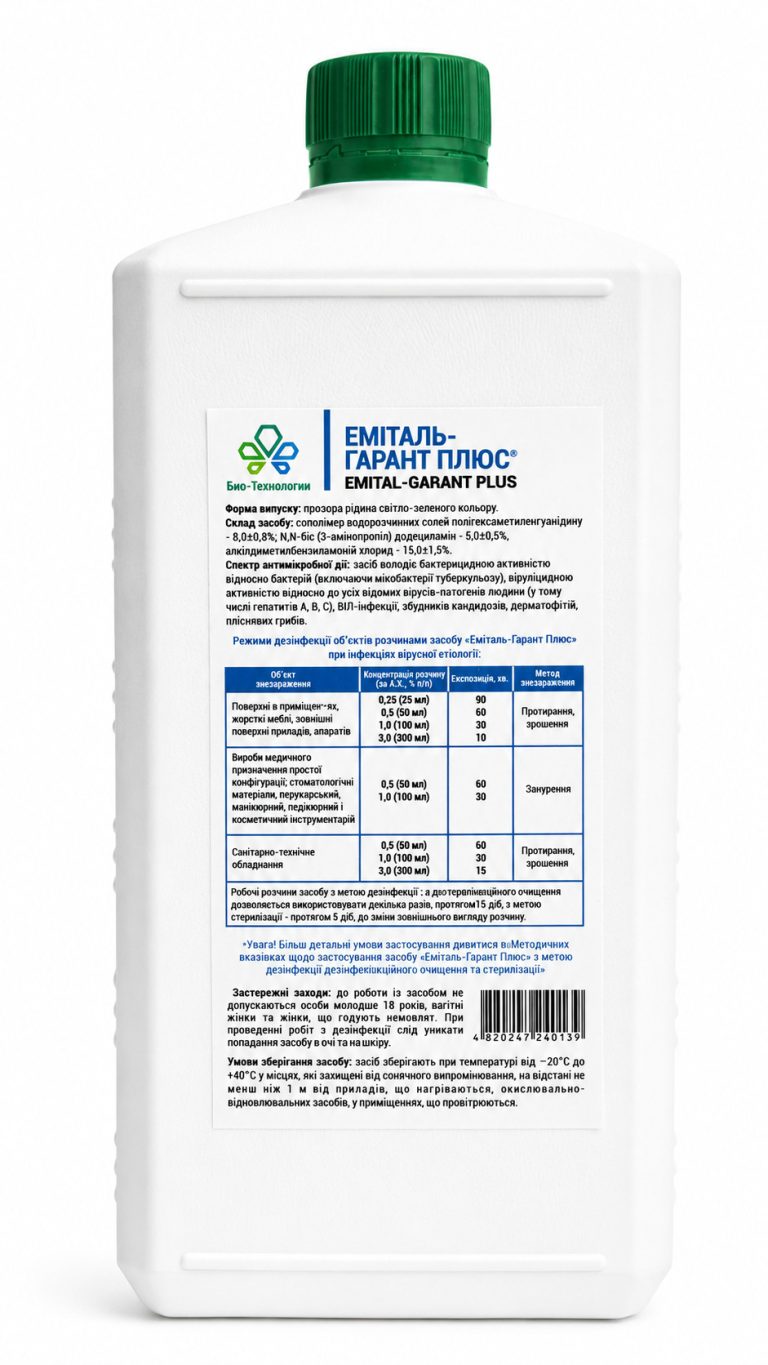
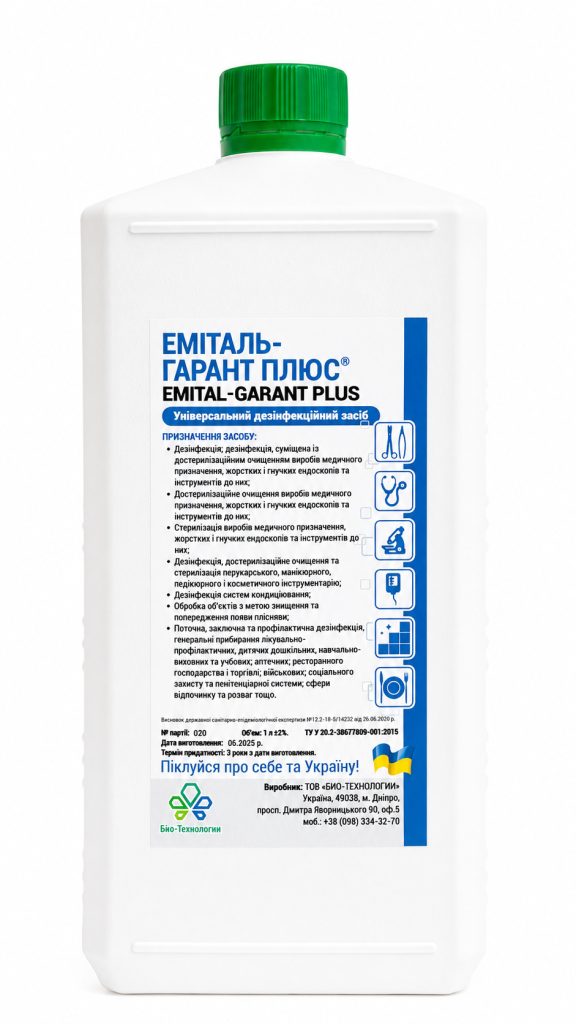
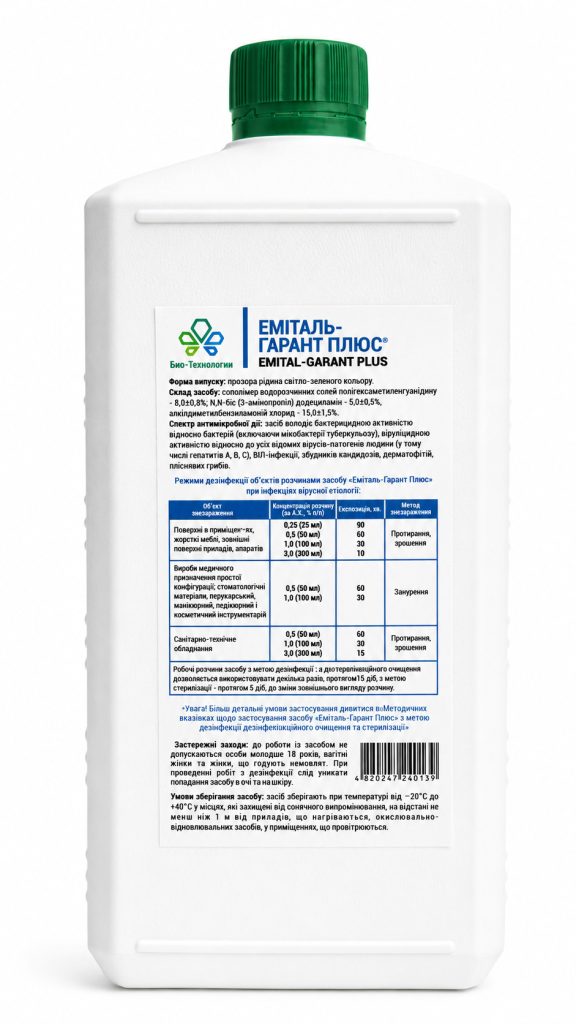
Full name of the product. Disinfectant “Emital-Guarant Plus” (hereinafter referred to as the product)
Manufacturer: BIO-TECHNOLOGIES LLC according to TU U 20.2-38677809-001:2015.
Composition of the product, content of active and auxiliary substances, wt.%: active substances – copolymer of water-soluble polyhexamethylene guanidine salts – 8.0±0.8%; N,N-bis(3-aminopropyl)dodecylamine – 5.0±0.5%; alkyldimethylbenzylammonium chloride – 15.0±1.5%.
Form of release and physicochemical properties of the product. “Emital-Guarant Plus” is a transparent light-green liquid. The product mixes well with water; the pH of the concentrate is 10.5. Solutions of the product have detergent, deodorizing and anticorrosive properties; they remove mechanical, protein and fat contamination, blood residues and medicinal product residues from external surfaces, internal channels and cavities of medical devices and equipment. Solutions of the product do not damage treated surfaces (including metals, polymers, wood, glass, rubber, tile, faience and surfaces of medical equipment with paint, galvanic, polymer and other coatings); do not discolor fabrics or reduce their strength; and do not fix blood or other protein contamination. The product is stable at temperatures from -20ºC to +40ºC. The product is not classified as combustible or fire-hazardous; it is incompatible with soaps and anionic surfactants. The product has a residual antimicrobial effect.
Intended use of the product. “Emital-Guarant Plus” is intended for:
– preventive and focal (current, final) disinfection and general cleaning at facilities of all categories, including:
– – healthcare and treatment-and-prevention institutions (operating units, intensive care and resuscitation departments, surgical, therapeutic, obstetric, neonatal, gynecological, maternity, pediatric, physiotherapy, dental, dermatovenerological, pathological anatomy and other departments; outpatient clinics, polyclinics, dispensaries, feldsher-midwife stations, organ transplantation centers, medical units, emergency medical stations, donor centers and blood transfusion departments, sanatoriums, preventive treatment facilities, clinical, biochemical, bacteriological, virological, serological and other laboratories, catering units, etc.);
– – pharmacy institutions (pharmaceutical warehouses, pharmacies, pharmacy stores, etc.);
– – preschool institutions, educational and training institutions of various accreditation levels;
– – enterprises of the perfumery and cosmetics, pharmaceutical, chemical, microbiological and food-processing industries;
– – public catering and trade establishments (restaurants, markets, etc.);
– – public utility and household service facilities (hotels, dormitories, campsites, apartments, hairdressing salons, beauty salons, cosmetology, manicure and pedicure rooms, piercing and tattoo salons, solariums, bathhouses, saunas, swimming pools, sports halls, cinemas, theaters, laundries, etc.);
– – rolling stock and support facilities (railway stations, airports, etc.) of road, rail, water and air transport (passenger transport, sanitary transport, food transport, waste transport, etc.);
– – sanitary inspection rooms, penitentiary institutions and military units;
– – enterprises for the collection, transportation and processing of waste (waste containers, household waste transport, etc.);
– – water supply and sewerage facilities;
– – cleaning companies;
– – plants, factories, warehouses and storage facilities, including paper archives, library repositories, premises for storing grain, food, medicinal products, hygiene items, agricultural facilities, etc.;
– – public toilets and portable toilets;
– – other epidemiologically significant facilities whose activities require disinfection work in accordance with applicable sanitary, hygienic and anti-epidemic standards and rules and regulatory documents;
– disinfection of medical devices (including rigid and flexible endoscopes and instruments for them; individual elements and component parts of anesthesia and respiratory equipment; probes of all types; incubators for premature infants; surgical and dental instruments, including rotary and locking instruments; saliva ejectors; dental impressions made of alginate, silicone and polyester resin; dental prosthetic workpieces made of metal, ceramic and plastic, articulators);
– disinfection combined with manual pre-sterilization cleaning of medical devices (including rigid and flexible endoscopes and instruments for them);
– disinfection, combination of disinfection and pre-sterilization cleaning processes, as well as chemical sterilization of hairdressing, manicure, pedicure and cosmetic instruments and accessories at consumer service enterprises;
– manual and mechanized pre-sterilization cleaning of medical devices (including rigid and flexible endoscopes and instruments for them) using ultrasound (in units such as “Medel”, “Ultraest”, “Kristall-5”, “Serga”, etc.) and in specialized endoscope processing units (such as “KRONT-UDE”, etc.);
– high-level disinfection of rigid and flexible endoscopes and instruments for them and anesthesia and respiratory equipment;
– sterilization of medical devices (including rigid and flexible endoscopes and anesthesia and respiratory equipment);
– current and general cleaning in treatment-and-prevention institutions (including neonatal departments and maternity hospitals), children’s institutions and other facilities;
– disinfection and simultaneous washing of indoor surfaces, equipment, hard furniture, sanitary equipment, linen, utensils (laboratory and tableware), cleaning tools, patient care items, personal hygiene items, toys, etc.;
– decontamination of disposable medical devices and used materials (suture, dressing materials, etc.) before disposal;
– decontamination of biological, food and other waste (blood, urine, feces, sputum, wash water, vomit, liquid waste, etc.);
– disinfection and simultaneous washing of process equipment at enterprises of the pharmaceutical, microbiological, perfumery and cosmetics, food and processing industries;
– decontamination of refuse chutes, waste collection containers, etc.;
– disinfection of air-conditioning systems and room ventilation in treatment-and-prevention and children’s institutions; residential and office premises; household and municipal service enterprises, etc.;
– disinfection of indoor air.
Spectrum of antimicrobial activity. The product has antimicrobial activity against Gram-negative and Gram-positive bacteria (including Mycobacterium tuberculosis and Legionella), viruses (including pathogens of parenteral hepatitis, HIV infection, poliomyelitis and avian influenza A/H5N1), and fungi (pathogens of candidiasis and dermatophytosis). The product has sporicidal activity.
Toxicity and safety of the product. According to acute toxicity parameters under GOST 12.1.007-76, when administered into the stomach the product belongs to hazard class 3 (moderately hazardous substances); when applied to the skin and inhaled at saturating concentrations according to the degree of volatility, to hazard class 4 (low-hazard substances); and when administered parenterally, to hazard class 4 (low-hazard substances). In aerosol form, it causes irritation of the mucous membranes of the upper respiratory tract; it has a moderate local irritating effect on the skin and mucous membranes of the eyes.
The product has no cumulative or sensitizing effect.
| There are no data |
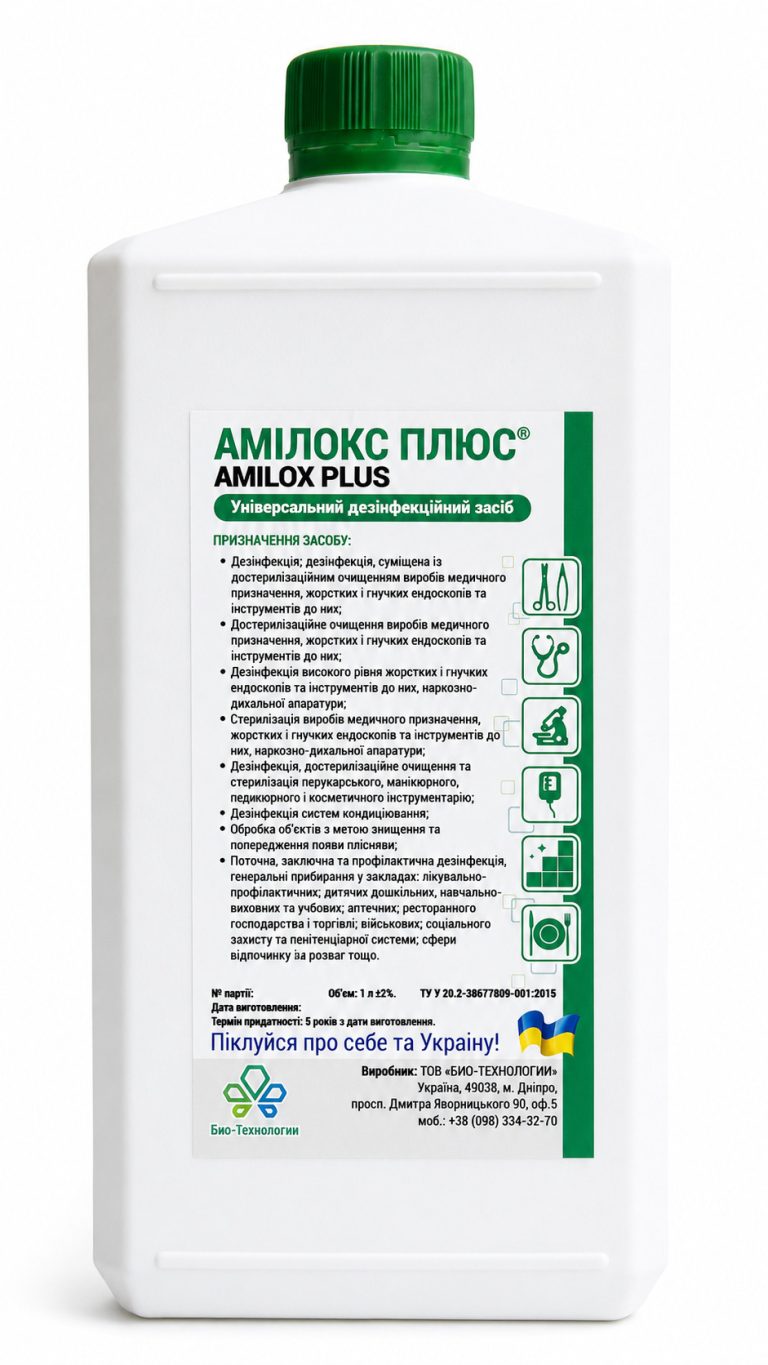
"Amilox Plus" is a concentrated disinfectant with detergent, wetting, deodorizing and emulsifying properties. It is intended for disinfection, pre-sterilization cleaning and sterilization of medical devices, surfaces, equipment, tools and other epidemiologically significant objects.
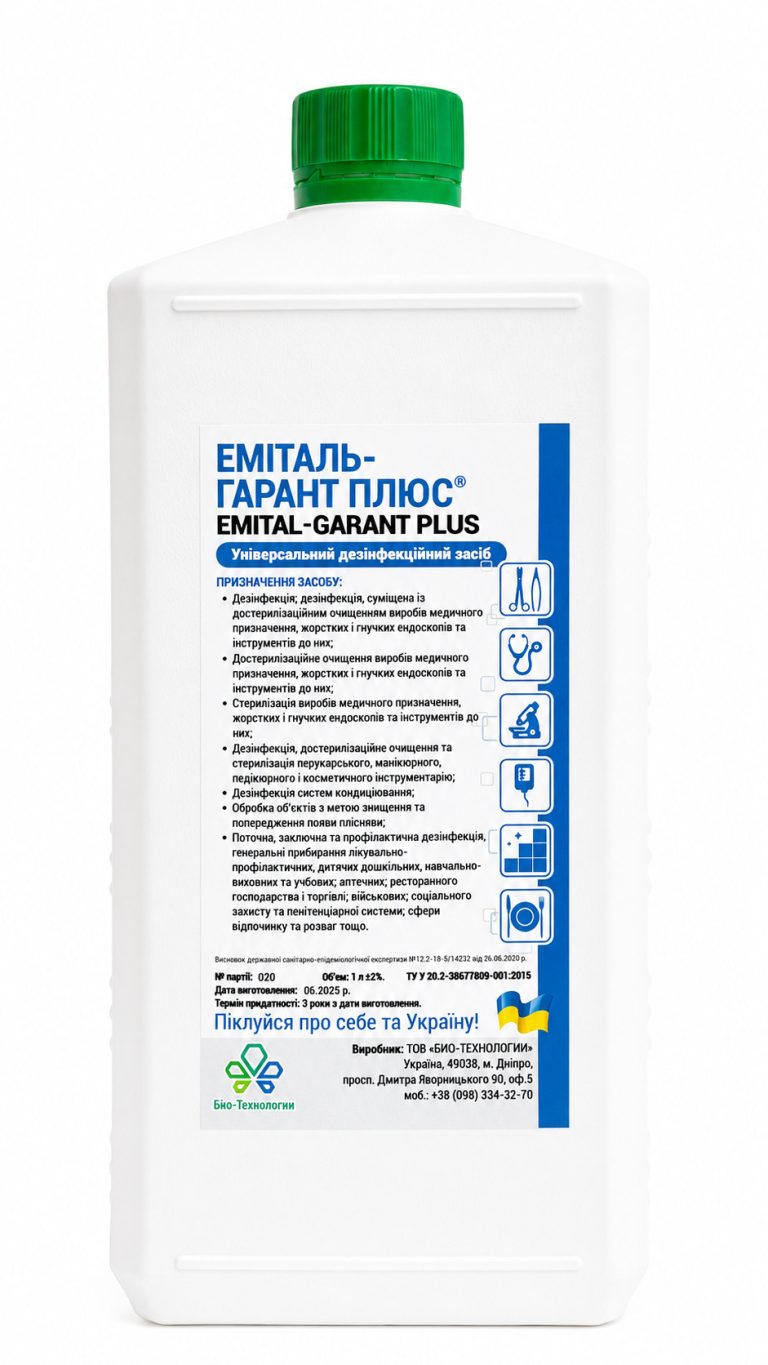
"Emital-Guarant Plus" is a concentrated disinfectant with detergent, deodorizing and anticorrosive properties. It is used for disinfection, pre-sterilization cleaning, sterilization of medical devices, and treatment of surfaces, equipment, tools and indoor air.
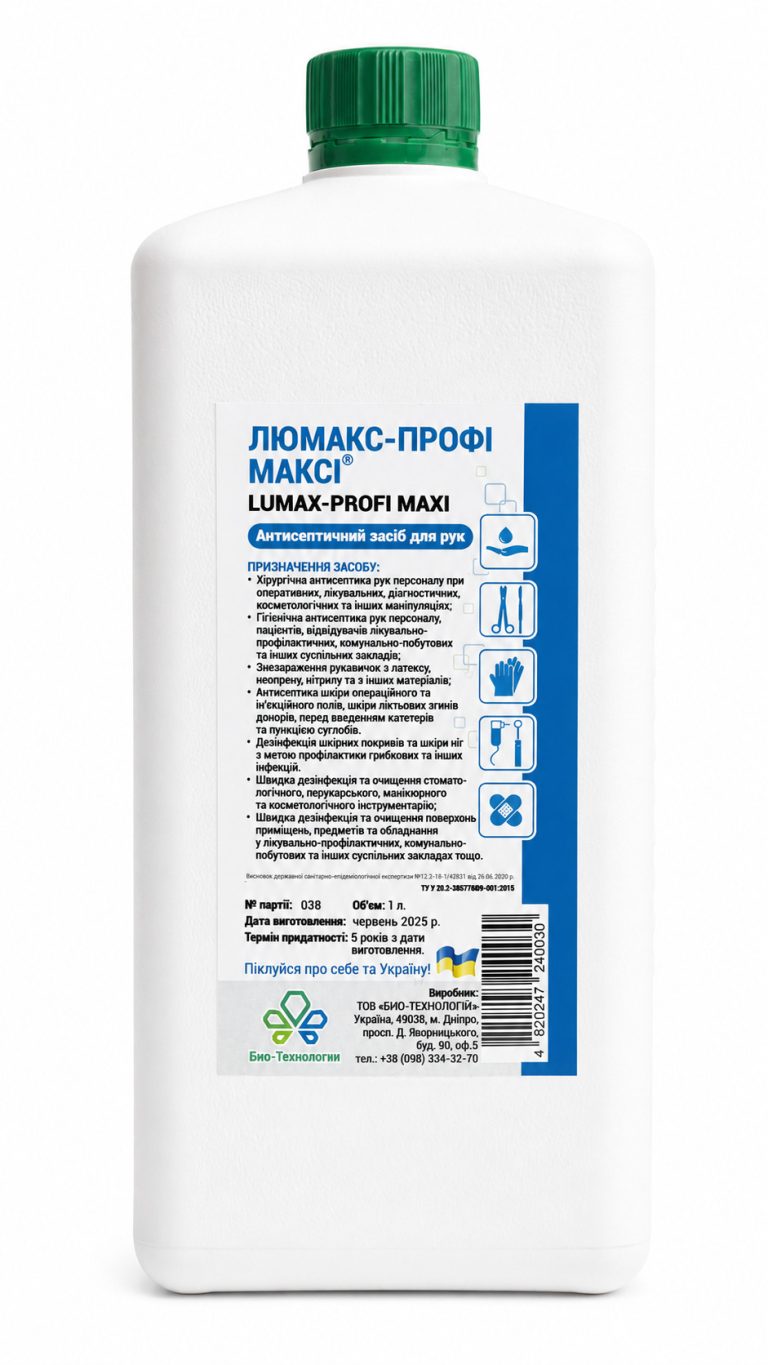
"Lumax-Profi Maxi" is a ready-to-use alcohol-based antiseptic and disinfectant for hands, skin and gloves. It is suitable for rapid treatment of small alcohol-resistant surfaces and medical, hairdressing and cosmetology instruments.
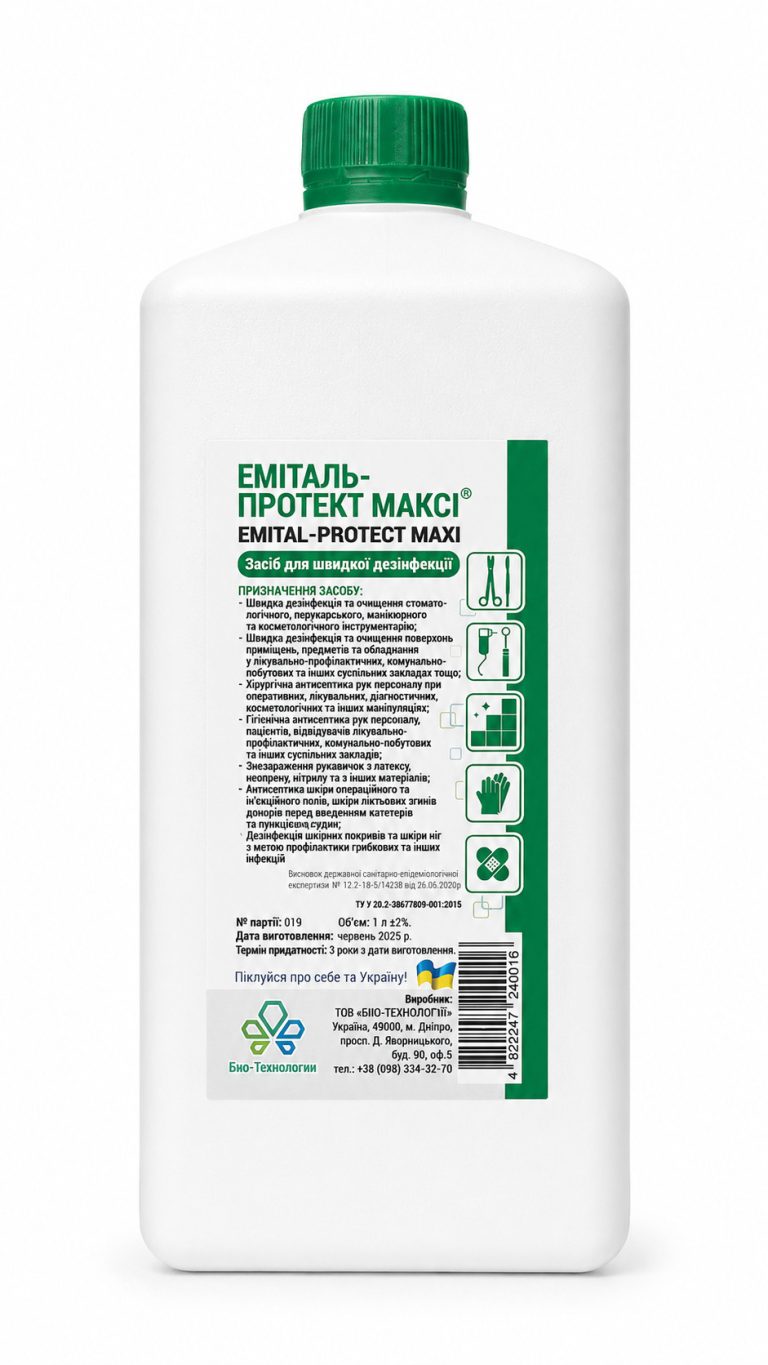
"Emital-Protect Maxi" is a ready-to-use alcohol-based disinfectant for hygienic and surgical hand antisepsis, skin treatment and glove decontamination. It is also suitable for rapid disinfection of small alcohol-resistant surfaces, equipment and instruments.
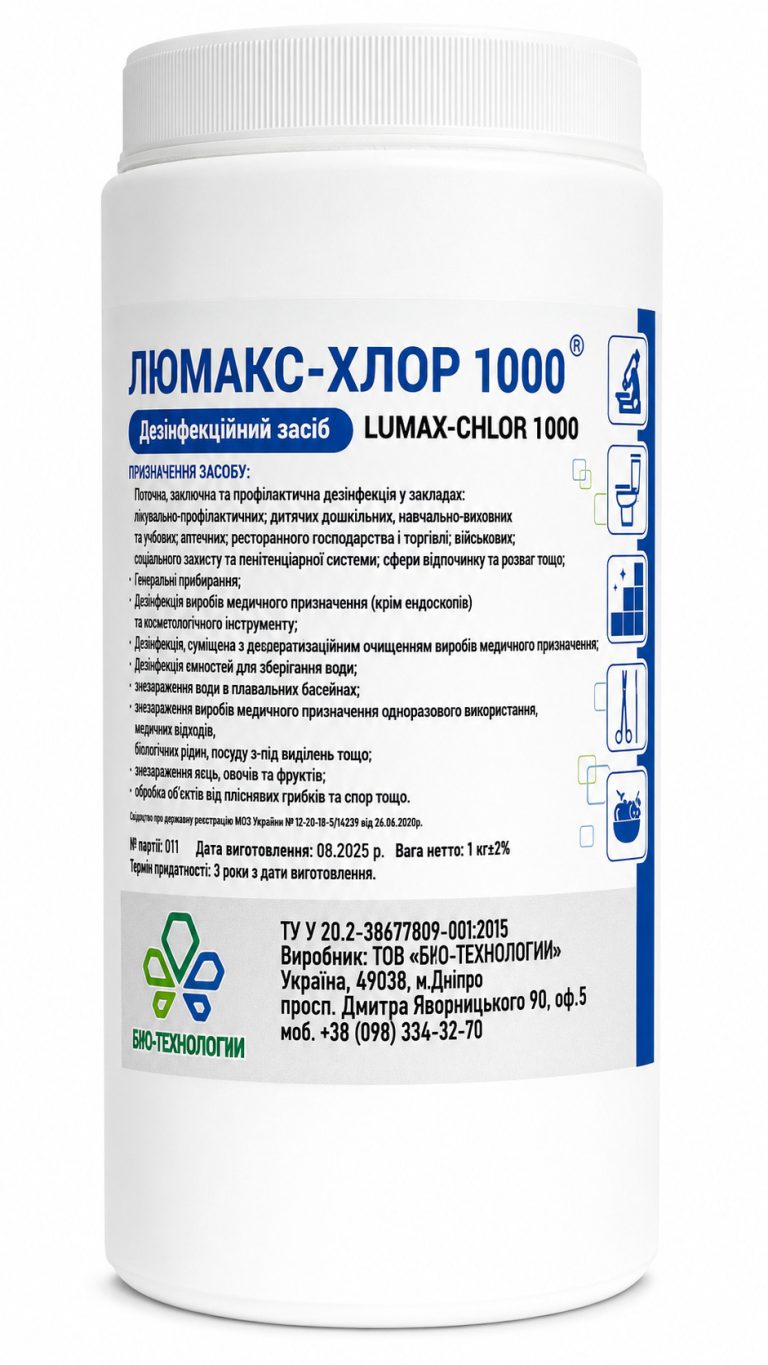
"Lumax-Chlor 1000" is a chlorine-based tablet disinfectant with detergent, wetting and bleaching properties. It is intended for disinfection of surfaces, medical devices, utensils, linen, water, tools and other objects.
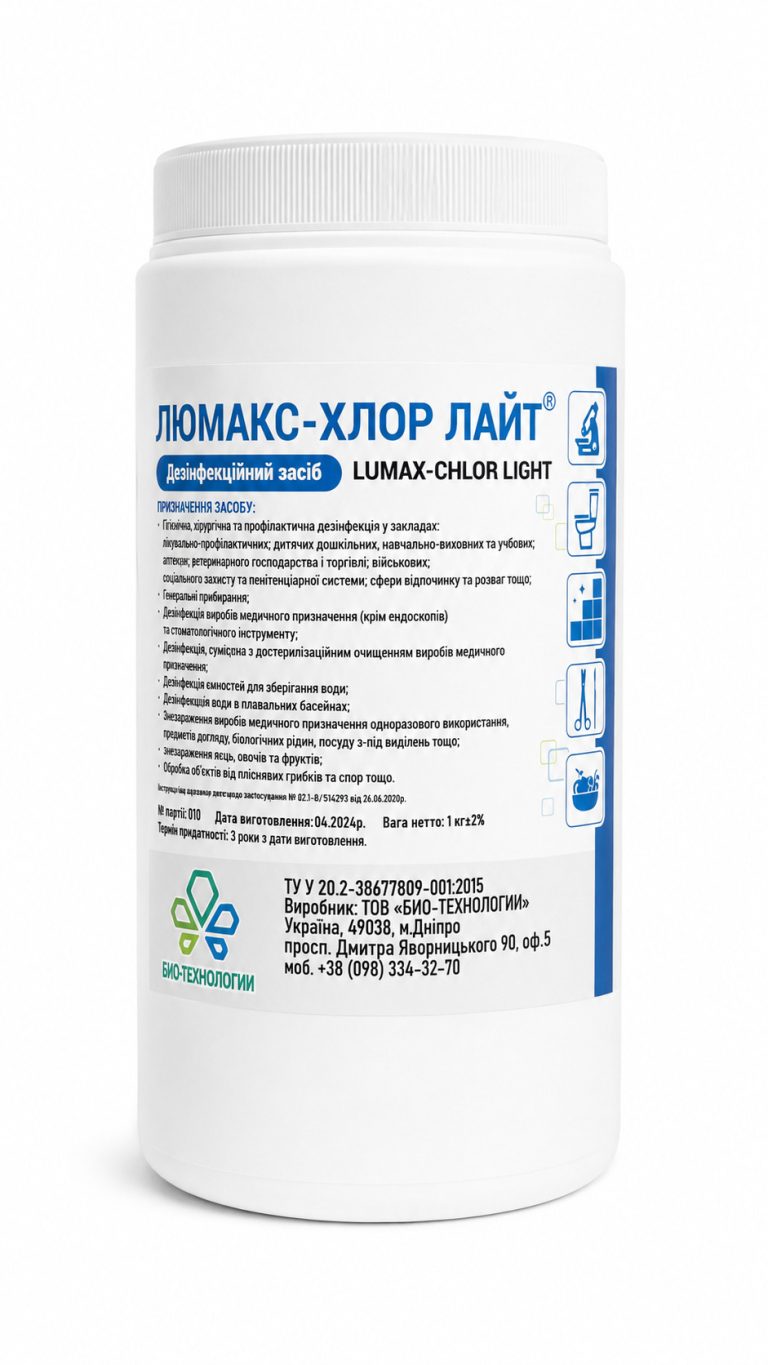
"Lumax-Chlor Light" is a chlorine-based tablet product for preparing working disinfectant solutions. It is used for treatment of surfaces, medical devices, utensils, linen, water, equipment, tools and other epidemiologically significant objects.